Trezor.io/start – Complete Guide to Setting Up Your Trezor Wallet
Introduction: Why Secure Storage Matters in Crypto
Cryptocurrency gives users full control over their money, but that control also brings responsibility. Unlike traditional banking, there is no central authority to recover lost or stolen crypto. Online wallets and exchanges are frequent targets for hackers, phishing attacks, and malware.
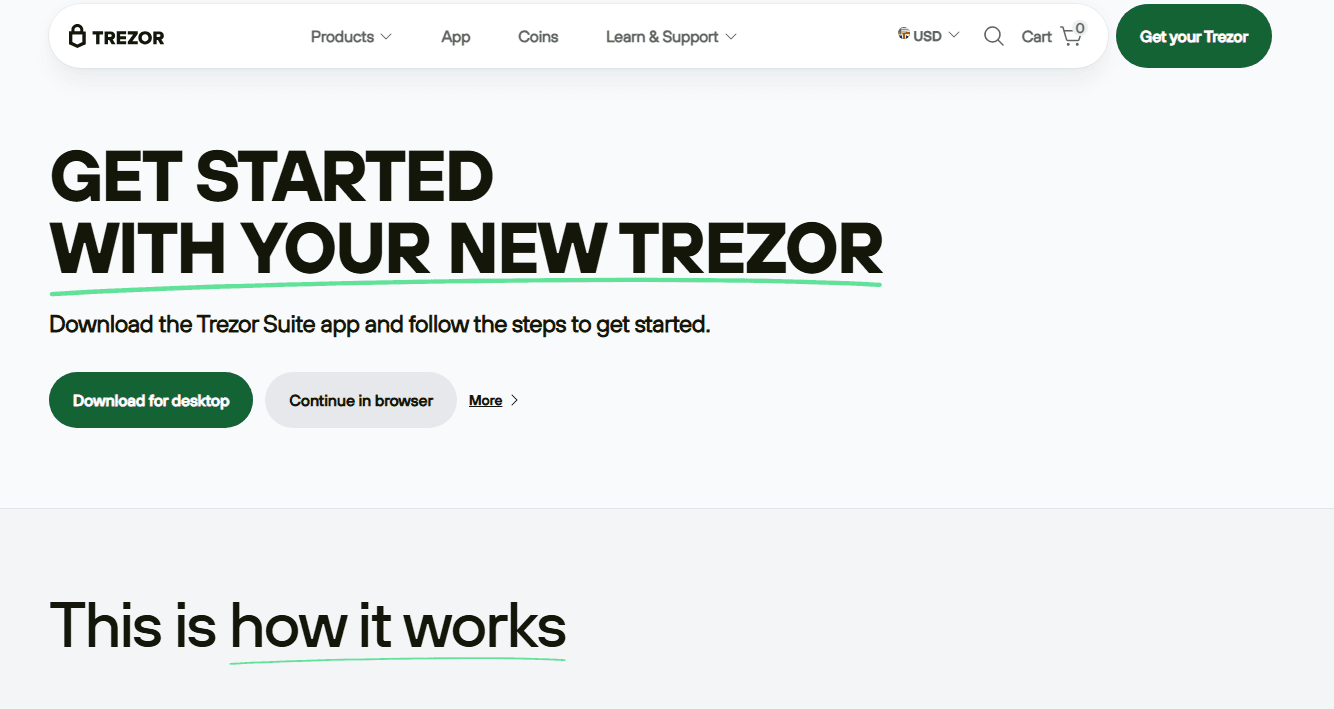
This is where Trezor hardware wallets play a critical role. By visiting trezor.io/start, users can securely set up their Trezor device and protect their digital assets offline. This guide explains every step of the process, from device setup to daily usage.
What Is Trezor and How Does It Work?
Trezor is a hardware wallet that keeps your private keys offline, away from internet threats. Instead of storing sensitive information on your computer or phone, Trezor securely stores it inside the device.
Key Advantages of Trezor
Offline storage of private keys
Protection from malware and phishing
Physical confirmation of transactions
Support for hundreds of cryptocurrencies
With Trezor, only you control your crypto—no third party involved.
Choosing the Right Trezor Device
Before starting at trezor.io/start, choose the device that fits your needs.
Trezor One
Affordable and easy to use
Ideal for beginners
Supports major cryptocurrencies
Trezor Model T
Touchscreen interface
Advanced security features like Shamir Backup
Wider cryptocurrency support
Both devices offer excellent security; the choice depends on your budget and portfolio size.
Unboxing and Verifying Your Trezor Device
Once your Trezor arrives:
Check the tamper-evident seal
Inspect the device for physical damage
Ensure all accessories are included (USB cable, recovery cards)
Important: Always buy Trezor devices from official or authorized sellers to avoid fake or compromised wallets.
Getting Started at Trezor.io/start
To begin setup:
Connect your Trezor device to your computer
Open your browser and go to trezor.io/start
Download and install Trezor Suite
What Is Trezor Suite?
Trezor Suite is the official application that allows you to:
Manage crypto accounts
Send and receive funds
Track balances and transactions
Update firmware safely
It acts as the control center for your Trezor wallet.
Creating a New Wallet or Restoring an Existing One
During setup, you’ll be asked to choose between two options:
Create a New Wallet
This generates a brand-new wallet with a unique recovery seed.
Recover an Existing Wallet
If you already have a recovery phrase, you can restore your wallet on the new device.
Your crypto is not stored on the device itself—it lives on the blockchain. The device simply provides secure access.
Understanding the Recovery Seed
The recovery seed is a list of 12, 18, or 24 words created during setup.
Why the Recovery Seed Is Critical
Restores your wallet if the device is lost or damaged
Grants full access to your crypto
Works across compatible wallets
Never share your recovery seed. Anyone who has it can access your funds. Write it down and store it offline in a secure location.
Setting a Strong PIN Code
After wallet creation, you’ll set a PIN code.
Required every time you connect your Trezor
Protects against physical theft
Entered directly on the device
Choose a strong PIN and avoid simple patterns or easily guessed numbers.
Updating Firmware for Better Security
Firmware updates are essential for maintaining security.
Trezor Suite notifies you of available updates
Updates fix vulnerabilities and add new features
Always install updates using official Trezor software
Never install firmware from unofficial sources.
Receiving Cryptocurrency with Trezor
To receive crypto:
Open Trezor Suite
Select the desired cryptocurrency account
Click Receive
Verify the address on your Trezor device screen
Confirming addresses on the device protects against malware that may alter addresses on your computer.
Sending Cryptocurrency Securely
Sending crypto involves a few simple steps:
Choose the account in Trezor Suite
Click Send
Enter the recipient address and amount
Confirm the transaction on the device
Transactions only proceed after physical confirmation, ensuring full security.
Using Trezor with Third-Party Wallets
Trezor can be used with trusted third-party wallets for advanced features:
MetaMask for Ethereum and DeFi
Electrum for advanced Bitcoin use
MyEtherWallet for Ethereum tokens
Your private keys remain protected by Trezor even when using external apps.
Backup, Recovery, and Advanced Protection
Shamir Backup (Model T)
This feature allows users to split the recovery seed into multiple parts, reducing single-point failure.
Best Security Practices
Store recovery seed offline
Never take photos of seed words
Avoid public Wi-Fi
Keep firmware updated
These steps greatly reduce the risk of losing funds.
Supported Cryptocurrencies
Trezor supports hundreds of cryptocurrencies, including:
Bitcoin (BTC)
Ethereum (ETH)
Litecoin (LTC)
Cardano (ADA)
ERC-20 tokens
Support continues to expand through regular updates.
Conclusion: Start Safely with Trezor.io/start
Using trezor.io/start is the safest way to set up and manage your Trezor hardware wallet. From generating your recovery seed to confirming transactions securely, Trezor gives you complete control over your digital assets.
By following this guide, beginners and experienced users alike can protect their crypto from online threats and enjoy peace of mind knowing their assets are stored securely offline.