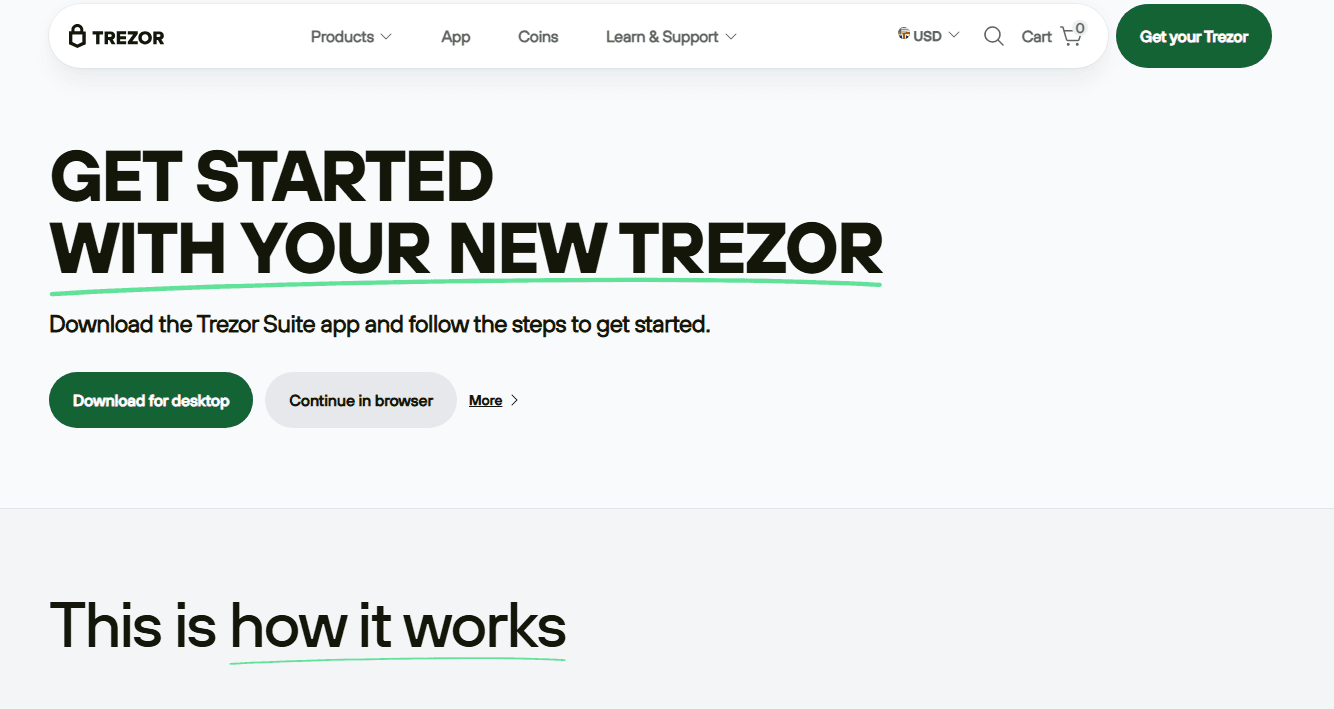
Trezor.io/start
With the increasing value of digital currencies, securing crypto assets has become more important than ever. Online wallets and exchanges are often exposed to hacking attempts, malware, and phishing scams. A Trezor hardware wallet offers a reliable solution by keeping private keys offline and under your control.
The official setup page, Trezor.io/start, provides everything you need to initialize your device securely. This guide explains the setup process, essential security practices, and how to manage your cryptocurrency safely using Trezor.
What Is a Trezor Hardware Wallet?
A Trezor hardware wallet is a physical device designed to store cryptocurrency private keys offline. This approach prevents hackers from accessing your funds through online attacks. Transactions are signed within the device itself, ensuring maximum protection.
Key benefits of using a Trezor wallet include:
Offline storage of private keys
Secure transaction verification
Full ownership of digital assets
Protection from phishing and malware
Overview of Trezor Wallet Models
Trezor One
Trezor One is ideal for beginners. It supports a wide range of cryptocurrencies and provides strong security at an affordable price.
Trezor Model T
Trezor Model T features a touchscreen, advanced security options, and wider asset compatibility. It is designed for experienced users who want enhanced control and convenience.
Both models work seamlessly with Trezor Suite, the official wallet management application.
What You Need Before Getting Started
Before visiting Trezor.io/start, ensure you have:
An authentic Trezor device
USB cable provided in the box
Computer or mobile device
Reliable internet connection
Important Safety Tips
Purchase your wallet only from the official Trezor store or authorized sellers
Check the security seal on the packaging
Avoid third-party setup websites
How to Set Up Your Trezor Wallet
Step 1: Go to Trezor.io/start
The official start page ensures you download legitimate software and follow verified setup instructions.
Step 2: Connect Your Trezor Device
Plug your Trezor into your computer using the USB cable. The device will power on automatically.
Step 3: Download and Install Trezor Suite
Trezor Suite is the official interface for managing your cryptocurrency. It allows you to:
View account balances
Send and receive crypto
Monitor transaction history
Manage multiple accounts
Step 4: Install Firmware
If your device is new, firmware installation is required. Firmware updates enhance security and add support for new assets. Always confirm actions directly on the device screen.
Creating and Protecting Your Recovery Seed
What Is a Recovery Seed?
During setup, Trezor generates a 12- or 24-word recovery seed. This phrase is the only way to restore access to your funds if the device is lost, damaged, or stolen.
Best Practices for Seed Storage
Write the words down on paper
Store them offline in a safe place
Never save them digitally
Never share them with anyone
Your recovery seed gives full access to your funds—protect it carefully.
Setting Up a Secure PIN Code
After recording your recovery seed, you’ll create a PIN code. The PIN prevents unauthorized access to your device.
PIN security features include:
Randomized keypad layout
Delayed access after incorrect attempts
Strong protection against brute-force attacks
Choose a PIN that is hard to guess and keep it private.
Managing Cryptocurrency with Trezor Suite
Sending and Receiving Assets
With Trezor Suite, you can safely send and receive cryptocurrencies. Every transaction must be physically approved on the device, preventing unauthorized transfers.
Supported Cryptocurrencies
Trezor supports many popular cryptocurrencies, including:
Bitcoin (BTC)
Ethereum (ETH)
Litecoin (LTC)
ERC-20 tokens and more
Advanced Security Features
Passphrase Protection
A passphrase adds an extra layer of security by creating hidden wallets. Even if someone obtains your recovery seed, they cannot access funds without the passphrase.
Multisignature Wallets
Multisig wallets require approval from multiple devices or users before transactions are completed. This feature is useful for businesses or shared accounts.
Third-Party Integrations
Trezor integrates with DeFi platforms and external wallets, allowing secure access to staking, lending, and decentralized applications.
Common Troubleshooting Tips
Device Not Detected
Try a different USB port
Use another cable
Restart your system
Firmware Update Problems
Reconnect the device
Retry via Trezor Suite
Follow official Trezor support instructions
Best Practices for Long-Term Security
To keep your crypto assets safe:
Update firmware regularly
Verify transactions on the device screen
Avoid using public or unsecured Wi-Fi
Periodically check your recovery seed storage
Conclusion: Start Your Crypto Security with Trezor.io/start
Using Trezor.io/start ensures a secure and authentic setup process for your hardware wallet. By following this guide, you can protect your recovery seed, manage your cryptocurrencies safely, and maintain full control over your digital assets.
Trezor hardware wallets combine ease of use with industry-leading security, making them an excellent choice for anyone serious about cryptocurrency protection.